


Opto-Mechanical Designs
Summary
The Opto-Mechanical Group designs, fabricates, and integrates custom hardware and experimental systems that enable research across the lab. We provide the mechanical engineering, rapid prototyping, and hands-on problem solving needed to turn experimental concepts, sketches, and ideas into functional hardware and reliable test setups.
Our work spans a wide range of scales and applications—from precision optical mounts,
fiber holders, and EOM/AOM hardware to large test structures, fixtures, payloads,
and custom experimental infrastructure. We integrate optical and electrical components
into mechanical systems for use in laboratory experiments and airborne platforms,
while also developing purpose-built test setups that allow researchers to recreate
real-world conditions in a controlled environment. 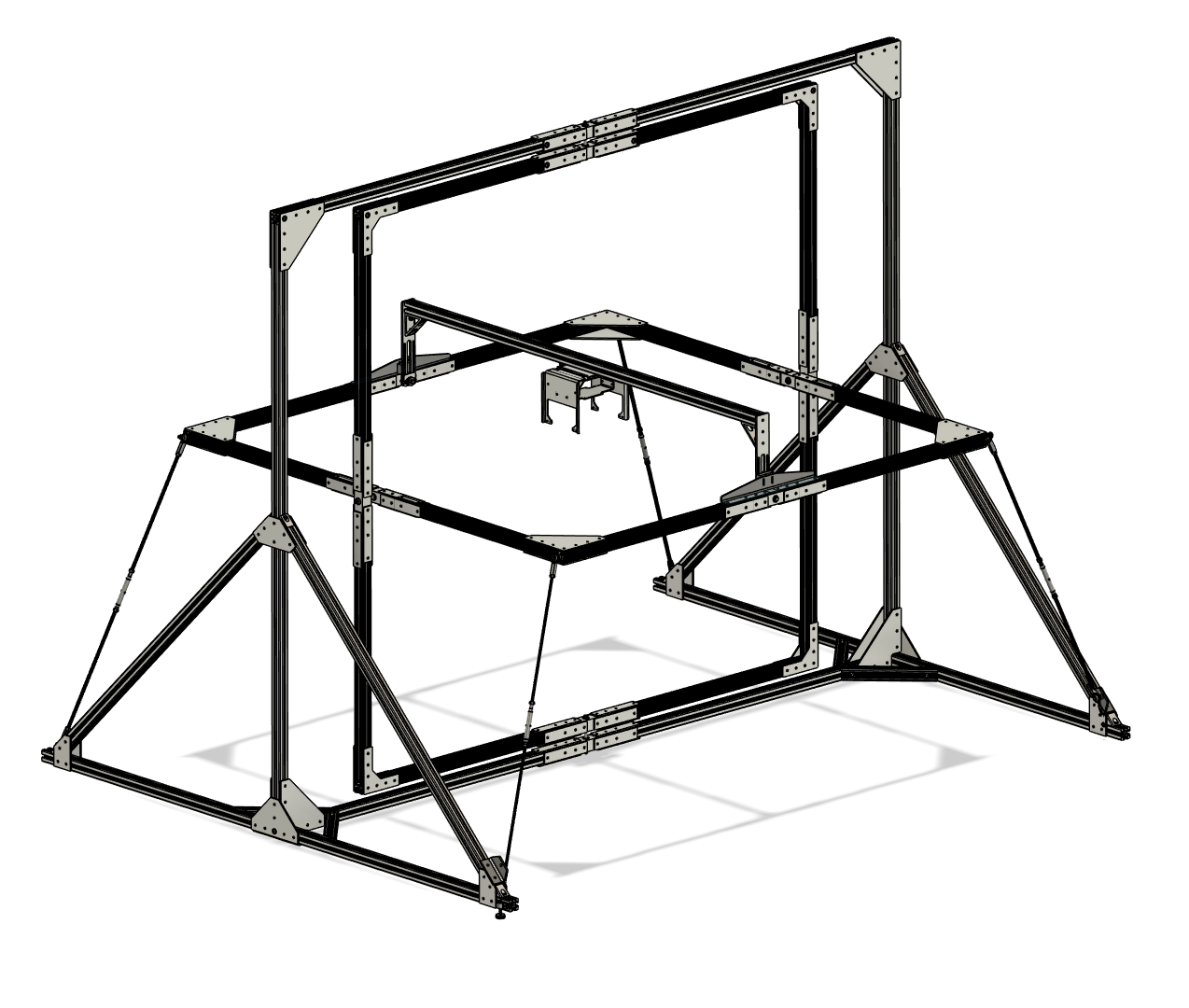
A key focus of the group is solving the practical physical challenges that arise during experimental research. We design mechanical components and assemblies, fabricate metal structures, develop custom jigs and fixtures, modify existing hardware, and use additive manufacturing to rapidly prototype specialized parts. We also help transform large, lab-constrained optical bench setups into compact, rugged systems that can be packaged into server-rack-mountable enclosures or deployed as payloads on various airborne platforms.
Because experimental research rarely fits neatly within a predefined set of components,
the Opto-Mechanical Group serves as a flexible, general-purpose engineering resource
for the lab. Projects may involve precision hardware, large-scale test infrastructure,
quick-turnaround modifications, or one-off solutions for problems where no off-the-shelf
component exists. Our goal is to help research teams build, test, and iterate quickly
without being limited by the physical hardware available to them. 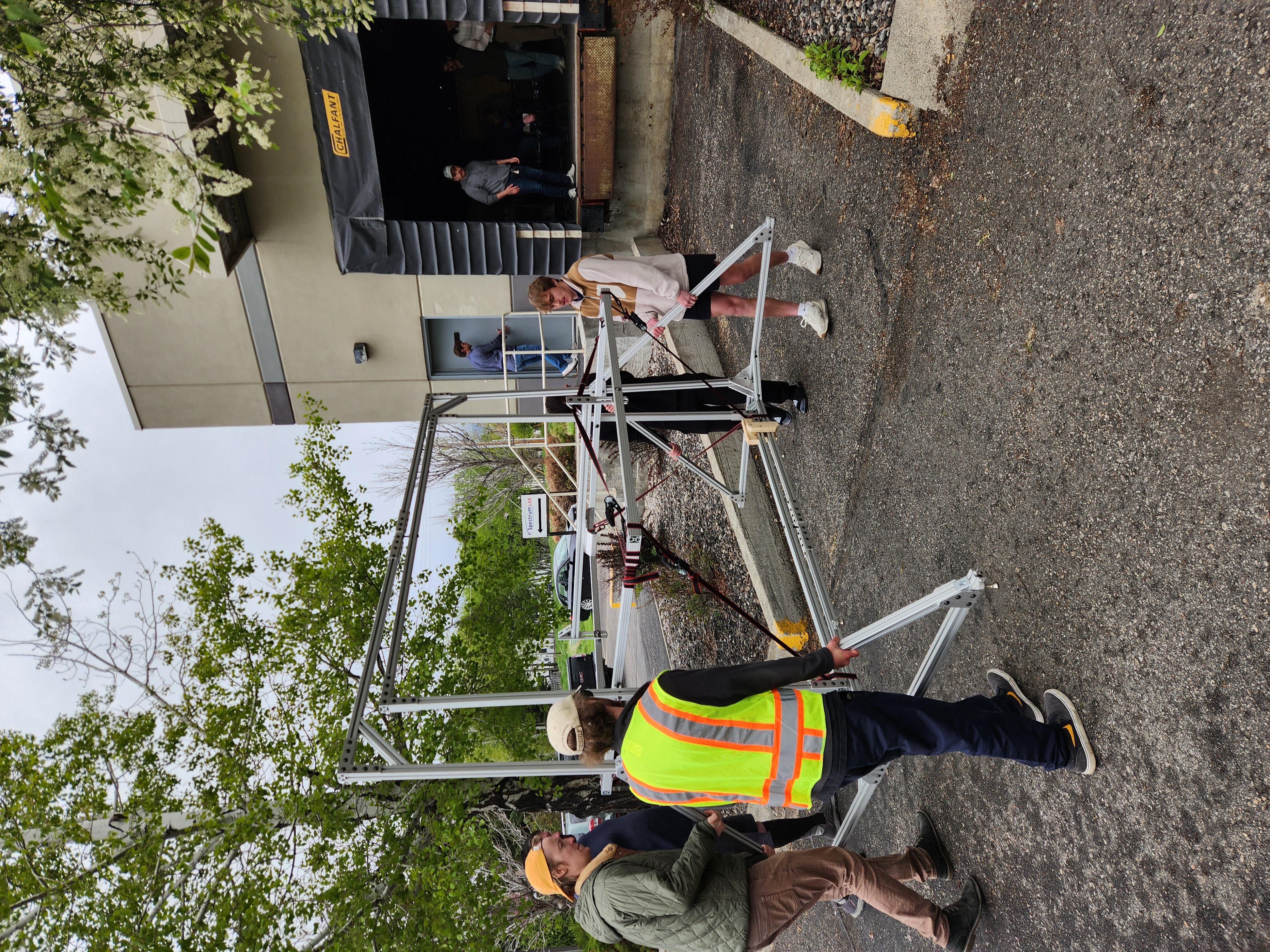
Capabilities
The Opto-Mechanical Group combines mechanical design, machining, fabrication, additive manufacturing, and practical engineering to rapidly develop custom hardware for experimental systems.
Our capabilities include:
- Mechanical design and integration: Design of components, assemblies, optical mounts, alignment hardware, mounting adapters, enclosures, and mechanical interfaces using SolidWorks.
- Rapid prototyping and additive manufacturing: Multiple 3D printers with build volumes up to 400 × 400 × 400 mm enable rapid development and iteration of custom components, including fiber holders, EOM/AOM mounts, protective components, and specialized interfaces.
- Machining and fabrication: Access to a range of conventional machine tools, including
a small 5-axis CNC,
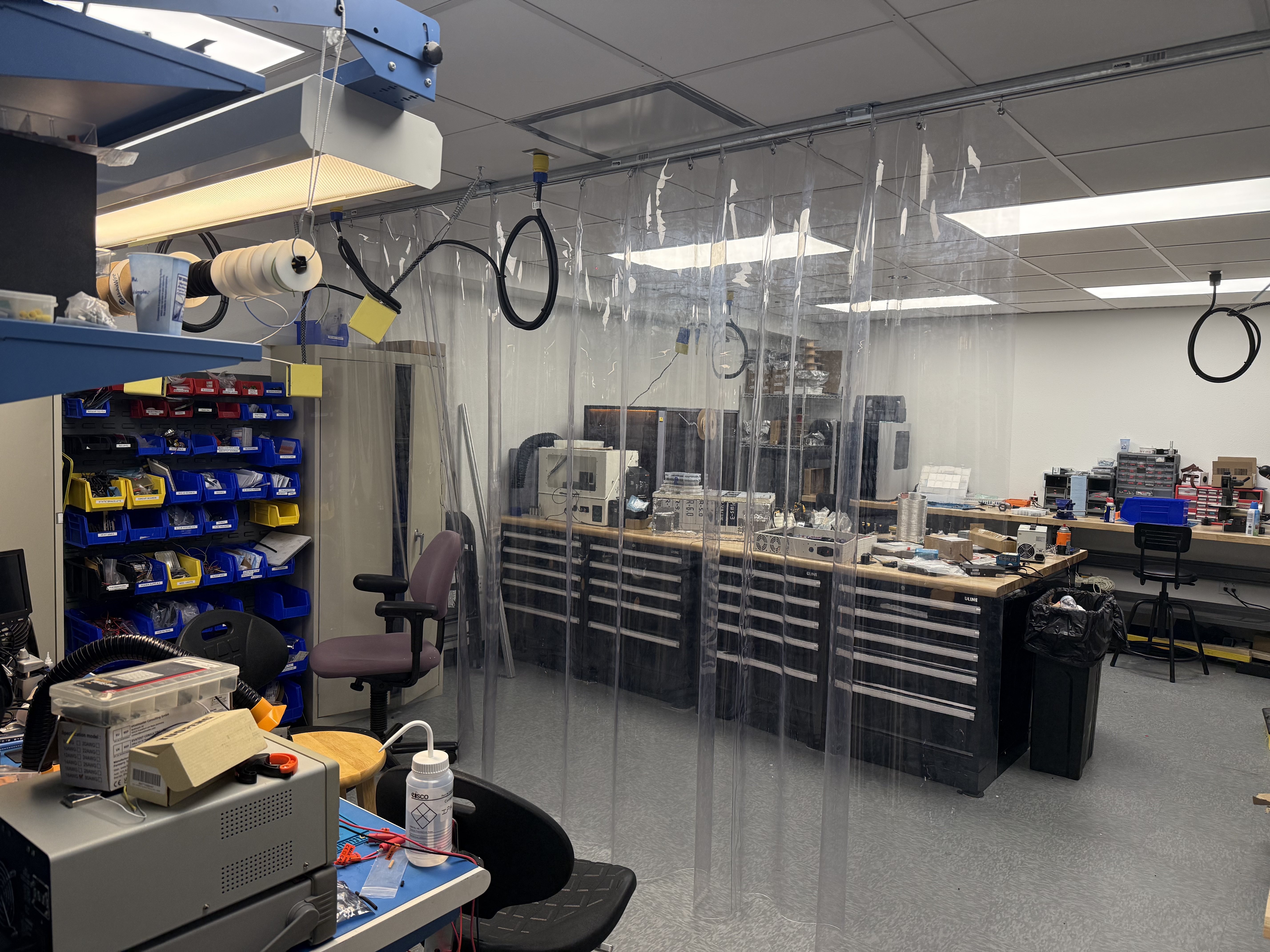 drill press, lathes, mills, and other fabrication equipment for producing precision
and structural components.
drill press, lathes, mills, and other fabrication equipment for producing precision
and structural components. - Laser cutting and engraving: Rapid fabrication of custom panels, fixtures, brackets, templates, and other components.
- Metal and structural fabrication: Development of test frames, jigs, fixtures, structural assemblies, and robust hardware for laboratory, field, and airborne experiments.
- Specialized fabrication: Access to additional facilities and local resources for processes including plasma cutting, vacuum forming, resin printing, and other specialized manufacturing techniques.
- Experimental test infrastructure: Design and construction of large-scale test setups that allow laboratory experiments to replicate real-world operating conditions.
- Optical and electrical integration: Mechanical integration of optical and electrical components into compact, robust systems and payloads for laboratory and airborne applications.
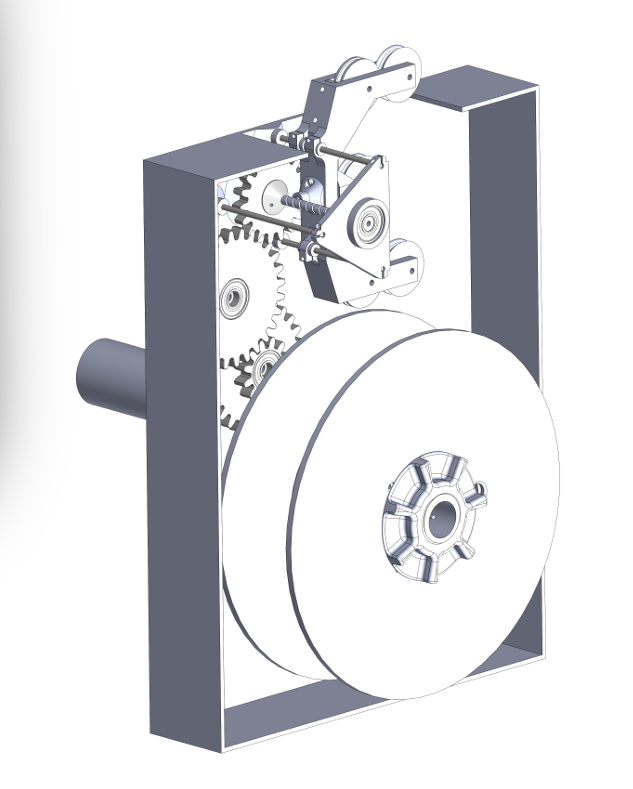 Rapid iteration and problem solving: From a rough sketch or an engineering challenge
to a finished part or working assembly, we provide the hands-on support needed to
keep experimental projects moving.
Rapid iteration and problem solving: From a rough sketch or an engineering challenge
to a finished part or working assembly, we provide the hands-on support needed to
keep experimental projects moving.
Personnel
Christopher Balas (christopher.balas@montana.edu)
Undergraduate Researchers
Ciaran Courtnage